
Hiring is a team sport, but without a clear playbook, it can quickly turn into a chaotic mess. We have all been part of panels where every interviewer is looking for something different, leading to inconsistent evaluations and delayed decisions. In 2026, the cost of an unaligned hiring panel is too high to ignore. It leads to candidate frustration, internal conflict, and a higher risk of a mis-hire. To succeed, the hiring manager must act as the "conductor" of the process, ensuring that every panel member knows their role, understands the criteria, and is looking for the same evidence of excellence.
The danger of the "Redundant Interview"
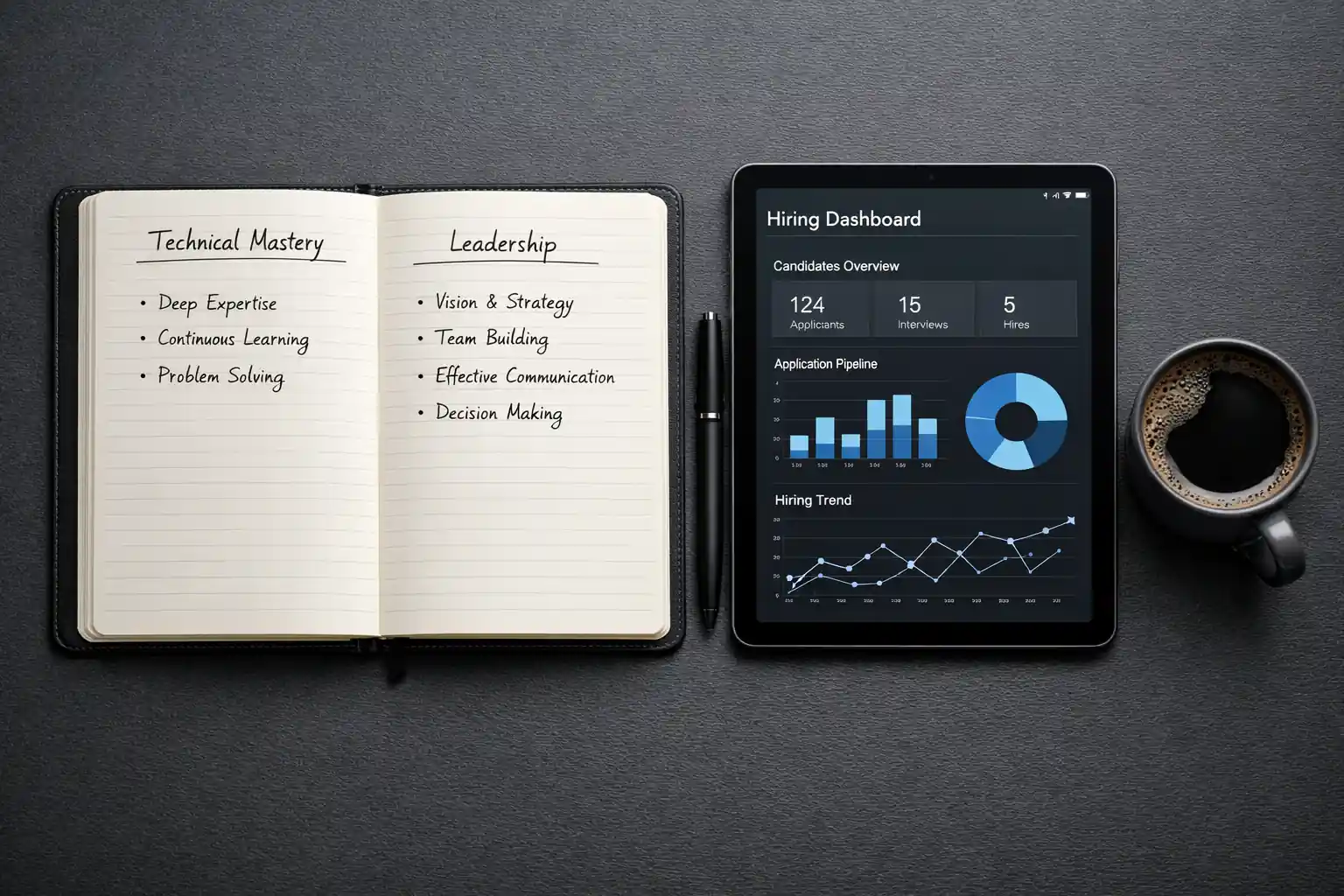
One of the most common signs of a misaligned panel is when every interviewer asks the candidate the same three questions. This is a waste of the candidate's time and a missed opportunity to gather a broad range of signals. In 2026, the best panels use a "Divided Competency" model. Each interviewer is assigned a specific set of skills or values to evaluate. For example, one person focuses on technical mastery, another on leadership, and a third on cultural contribution. This ensures deep coverage across all areas and satisfies the team's need for belonging and efficiency.
Standardising the "Good" answer
Alignment isn't just about the questions; it's about the answers. Before the first interview, the panel must agree on what a "score of 5" looks like for each competency. This is often where bias creeps in: one person's "assertive" is another person's "aggressive." By documenting clear "Positive Indicators" and "Negative Indicators," you create a shared language for evaluation. This satisfies the organisational need for justice and security. It ensures that the candidate is being judged against a consistent standard, regardless of who is asking the questions.
The "Pre-Brief" is not optional
A 15 minute "Pre-Brief" before the first interview can save hours of debate later. During this session, the hiring manager should clarify the role's mission, the top priorities, and any "deal breakers." This is also the time to address any potential biases the panel might have. In 2026, leading managers use this time to set the "Bar Raiser" expectation: every new hire must raise the average quality of the team. This builds a sense of status and achievement within the panel. They aren't just "filling a seat"; they are protecting the excellence of their own organisation.
““A panel that doesn't talk to each before the interview will never agree after the interview.””
The Lead Decider and the role of "Signal"
While a panel provides input, someone must have the final say. In 2026, the most effective scale-ups use a "Lead Decider" model. The panel's role is to provide "signal", evidence-based scores on their assigned areas. The Lead Decider (usually the hiring manager) then looks at the combined data to make the choice. This prevents the "Consensus Trap" where the "safest" candidate wins rather than the "best" one. This transparency builds trust and connection within the team. Everyone knows how their input was used and why the final decision was made.
Standardise your hiring process
Start using Maslow to bring structure and evidence to every interview.


